
Beginner's guide to Traditional Chinese Medicine (TCM): safety, what to expect, how to find practitioners, and evidence-based information.
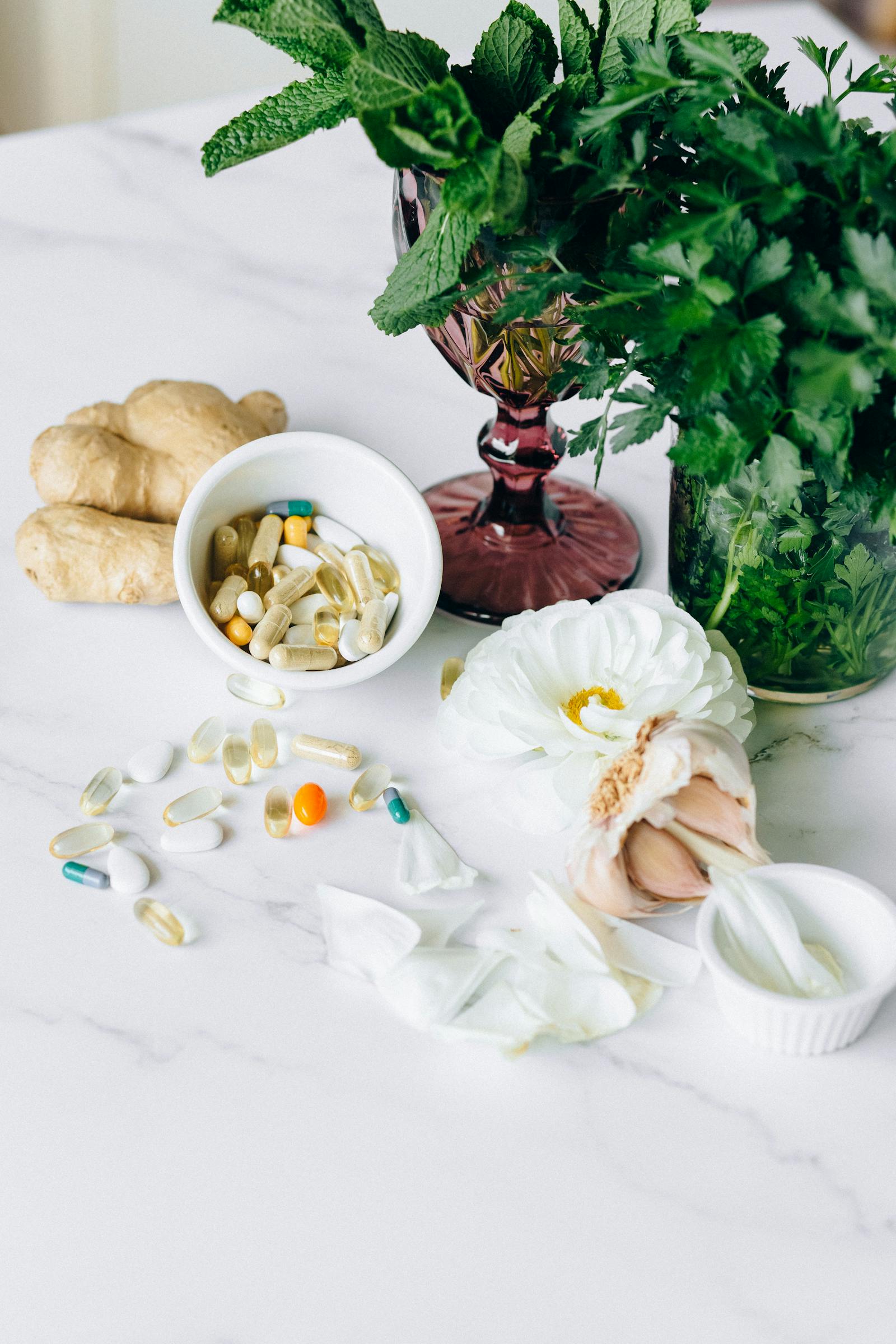
Traditional Chinese Medicine (TCM) for Beginners: Safety and Practical Tips
Summary: This guide introduces Western visitors to Traditional Chinese Medicine, explains safety considerations, helps you find qualified practitioners, and clarifies what evidence supports various TCM treatments.
What is Traditional Chinese Medicine?
Traditional Chinese Medicine (TCM) is a 2,500-year-old medical system based on balancing body energy (qi/chi) and harmony. Unlike Western medicine's disease-focused approach, TCM emphasizes prevention and whole-body balance.
Core Concepts
- Qi (chi): Life energy flowing through meridian pathways in the body
- Yin-Yang balance: Complementary forces that must be in harmony
- Five Elements: Wood, Fire, Earth, Metal, Water – representing organs, emotions, and body systems
- Meridians: Energy pathways connecting organs and body regions
Main TCM Treatment Modalities
1. Acupuncture
- How it works: Thin needles inserted at specific points to balance qi flow
- Evidence: Strong research support for pain management, particularly back pain and migraines. WHO recognizes benefits.
- Safety: Very safe when done by licensed practitioners using sterile needles
- Typical cost: $20-60 USD per session in major Chinese cities
- What to expect: 30-minute session; minimal pain; possible slight tingling or warmth sensation
2. Herbal Medicine
- How it works: Combination of plant materials (roots, flowers, minerals) to treat imbalances
- Evidence: Moderate evidence for specific conditions; some interactions with Western medications
- Safety: Generally safe but MUST inform TCM doctor of all Western medicines you take
- Typical cost: $5-20 per day for herbal decoctions
- What to expect: 7-30 day treatment courses; unpleasant taste; brewing at home required (some clinics pre-package)
3. Cupping
- How it works: Glass or bamboo cups create suction on skin to release qi stagnation
- Evidence: Limited evidence; mostly for muscle pain and athletic recovery
- Safety: Safe but leaves large bruises (lasts 1-2 weeks)
- Typical cost: $10-30 per session
- What to expect: Mild discomfort; bruising; warming sensation
4. Gua Sha (Scraping)
- How it works: Tool scrapes skin vigorously to release toxins (through skin reddening)
- Evidence: Minimal scientific support; traditional use for colds and muscle tension
- Safety: Causes visible marks; not recommended before important events
- Typical cost: $10-20 per session
5. Moxibustion
- How it works: Burning mugwort herb near skin to warm meridians
- Evidence: Some evidence for pain and circulation; stronger for certain conditions (like breech pregnancy)
- Safety: Safe; mild warmth sensation; can be smoky
- Typical cost: $15-35 per session
6. Tuina (Chinese Massage)
- How it works: Targeted deep-tissue massage following meridian and energy principles
- Evidence: Good evidence for muscle tension, back pain, and sports injuries
- Safety: Very safe; can be intense; may cause bruising
- Typical cost: $20-50 per hour
Conditions with Good Evidence
- Chronic pain (back, neck, knee)
- Migraines and headaches
- Nausea and post-operative recovery
- Stress and sleep disorders
- Sports and athletic injuries
- Fertility support (as adjunct to modern medicine)
- Arthritis and joint pain
Conditions with Limited Evidence
- Cancer (as sole treatment – not recommended; can be supportive adjunct)
- Diabetes management
- Heart disease
- Severe infections
- Acute injuries requiring surgery
Safety Considerations for Western Patients
Critical Rules
- Always disclose all medications: TCM herbs can interact with Western drugs, especially anticoagulants and diabetes medications
- Inform doctors of allergies and conditions: Especially pregnancy, bleeding disorders, or immunosuppression
- Never replace emergency care with TCM: Heart attack, stroke, severe trauma require modern medical emergency services
- Verify practitioner licensing: In China, licensed TCM doctors have credentials (医学学位 / Medical Degree)
- Check needle safety: Demand sterile, single-use disposable needles
Common Safety Issues
- Herbal medication interactions: Some herbs affect blood clotting; others reduce drug effectiveness
- Unsterile needles: Risk of infection; always confirm single-use needles
- Practitioner variation: Quality varies significantly; recommendation is critical
- Language barriers: Miscommunication about your Western medications
Finding a Qualified TCM Practitioner
Best Options
- TCM Hospital Clinics: Highest credentials; government-regulate
- International Hotel Medical Centers: English-speaking, familiar with Western patients
- Recommended private clinics: Ask your hotel or international clinic for referrals
Red Flags to Avoid
- No visible credentials or license
- Unwillingness to discuss your Western medications
- Promise of curing serious diseases (cancer, heart disease) with TCM alone
- Using non-sterile or reused needles
- No consultation before treatment (treatment decisions should be personalized)
Questions to Ask
- What is your medical credential or degree?
- How long have you treated Western patients?
- Do you use single-use sterile needles?
- Can you discuss interactions with my current Western medications?
- Do you have liability insurance?
- What is your success rate for my specific condition?
Integrating TCM with Modern Medicine
Safe Integration
- Use TCM as complement, not replacement, for serious conditions
- Inform both your Western doctor AND TCM practitioner of all treatments
- Manage chronic conditions (diabetes, heart disease) primarily with modern medicine; TCM for symptom support
- For acute serious illness, prioritize modern medical care
Effective Combinations
- Acupuncture + physical therapy: Excellent for chronic pain, post-surgical recovery
- Herbal medicine + Western medication: Some combinations proven effective (e.g., TCM for nausea with chemotherapy)
- TCM + Mental health support: Stress reduction through acupuncture + counseling
Timeline for Results
- Acute conditions (colds, minor pain): 1-3 treatments
- Chronic conditions (arthritis, migraines): 4-8 weeks of regular treatment (1-2x per week)
- Long-term conditions (fertility, complex pain): 3-6 months minimum
- Herbal formulas: Usually 7-14 days minimum to assess effectiveness
Cost Comparison
- Acupuncture: $20-60 per session (vs. $70-150 in Western countries)
- Herbal medicine: $5-20 per day (vs. $50-100+ in Western countries)
- Tuina massage: $20-50/hour (vs. $80-200/hour in Western countries)
- Full TCM consultation: $30-100 (vs. $150-300 in Western countries)
Frequently Asked Questions
- Q: Is TCM scientifically proven?
- A: Some modalities (acupuncture for pain) have strong scientific evidence. Others rely on traditional wisdom and ongoing research. Think of it as complementary, not proven for all conditions.
- Q: Can I use TCM if I'm on Western medications?
- A: Often yes, but NOT without informing both doctors. Some herbs interact dangerously with blood thinners and diabetes drugs. Always disclose fully.
- Q: What if I have an allergic reaction to TCM treatment?
- A: Seek modern medical emergency care (hospital). Inform emergency doctors of what TCM treatments you received. Get contact information for your TCM clinic in advance.
- Q: Is cupping safe for a first-timer?
- A: Yes, but expect bruising. Ask for light-pressure cupping first. Avoid important social events in the 1-2 weeks after, as bruises are visible.
Next Steps
- Define what condition you want TCM support for
- Research TCM clinics at your destination (ask hotel concierge)
- Request a consultation; disclose all your medications
- Start with acupuncture or massage (safest entry points)
- Keep detailed notes on how you feel
- Maintain communication with your Western doctors
Want personalized guidance on TCM? Schedule a consultation with our team to discuss whether TCM is appropriate for your health goals and current medical situation.
This guide is educational and does not replace medical advice. Always consult with qualified healthcare providers before starting new treatments.